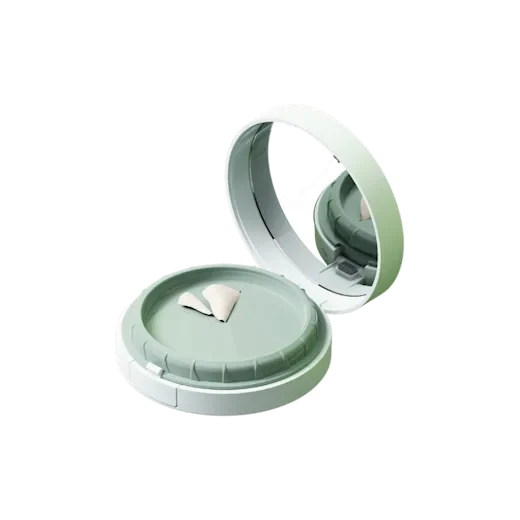
Start with the formula, the filling process and the launch plan
Choose a skincare packaging supplier by evaluating its ability to support your specific product, not by comparing bottle photographs alone. A useful shortlist matches the formula, dispensing experience, filling process, order plan and decoration requirements. Approve a defined packaging specification before committing to production.
Calypax is a B2B beauty packaging manufacturer serving skincare, makeup and personal care brands, with manufacturing capabilities in China and Vietnam. The following checklist is designed for brand owners, product developers and sourcing teams buying empty packaging components.
1. Turn the product idea into a usable packaging brief
Before requesting prices, prepare a brief with the following information:
| Requirement | What to specify |
|---|---|
| Formula | Product type, texture and relevant characteristics to discuss with the technical team |
| Capacity | Target fill volume and any size variants |
| Application | Pump, dropper, jar, tube or another intended dispensing method |
| Commercial plan | Initial quantity, reorder expectations and delivery destination |
| Brand expression | Colour, artwork, decoration and preferred materials |
| Operations | Filler location, filling method and assembly responsibilities |
| Timing | Launch target and decision deadlines for samples and artwork |
If the formula or decoration is not final, identify what is still open. A quote based on provisional information should be treated as provisional too.
2. Compare the proposed configuration, not just the supplier name
Ask each supplier to identify the exact model, component materials, closure or dispensing system, decoration scope and what is included in the quotation. Clarify who manufactures, decorates, assembles and checks the components, and who coordinates questions with your filler.
An existing format can be a useful starting point. A custom appearance, a modified component and a newly tooled structure are different projects; request a separate explanation of their development steps and commercial terms.
A supplier should be able to explain what it knows, what still needs testing and which requests fall outside the quoted scope. Avoid treating a broad catalogue as proof that every configuration is available under the same conditions.
3. Use samples to answer defined questions
A visual sample helps assess size, handling and appearance. A functional sample helps evaluate the opening, closure and dispensing experience. A decorated sample helps compare artwork and colour. These samples answer different questions and should not be treated as interchangeable approvals.
Arrange evaluation of the intended packaging with the actual formula and filling process. Ask your brand's technical team and filler to agree the checks, conditions and acceptance criteria. Record issues such as leakage, dispensing behaviour, fit or visible changes, and agree how they will be resolved before production approval.
4. Compare quotations on the same basis
A lower unit price may reflect a different specification or scope. Compare these items in writing:
- Exact components and assembly included.
- MOQ for the proposed model, colour and decoration combination.
- Sampling, artwork, tooling and other one-off charges.
- Packaging for shipment and the agreed delivery terms.
- Production scheduling assumptions and approval dependencies.
- Inspection, defect reporting and corrective-action arrangements.
Do not assume that the MOQ or lead time of one format applies to the rest of a catalogue.
5. Approve a reference package before placing the production order
Keep the approved component specification, artwork revision, colour reference, sample decision and quotation together. Identify the people authorised to approve changes. Ask how substitutions or specification changes will be communicated before they are made.
The objective is a repeatable purchasing specification that both parties can work from, rather than a collection of informal messages.
Frequently asked questions
Should a new skincare brand choose a standard or fully custom pack?
Compare both against the initial quantity, launch timing and differentiation required. An existing format may reduce structural development work, while custom tooling introduces additional decisions. Confirm the actual options and terms for the selected project.
Can a catalogue sample prove formula compatibility?
No. A sample's appearance does not establish suitability for your final formula or production process. Plan an evaluation using the intended configuration with the responsible technical teams.
What should I send in my first enquiry?
Send the product type, capacity, preferred format, initial quantity, decoration direction, destination and launch target. Include reference images and any filling constraints you already know.
Discuss your skincare packaging brief with Calypax
Explore the Calypax product catalogue, review our manufacturing background, then share your brief through the website or email katie@calypax.com. Model-specific availability, MOQ, sampling and commercial terms are confirmed through the enquiry process.